
When people think about gut health, they often hear the same advice: eat more fiber, take probiotics, and avoid junk food. While these tips are helpful, they barely scratch the surface. Your gut is a complex ecosystem that influences digestion, immunity, mood, weight, and even brain health. There are several lesser-known gut health secrets that don’t get enough attention, but they can make a powerful difference in how you feel every day.
Let’s uncover what’s really going on inside your gut and the overlooked habits that can transform it.
1. Your Gut Needs Diversity, Not Just “Good” Bacteria
Most conversations about gut health focus on increasing “good bacteria.” What’s rarely discussed is bacterial diversity. A healthy gut isn’t dominated by one or two strains—it thrives on variety.
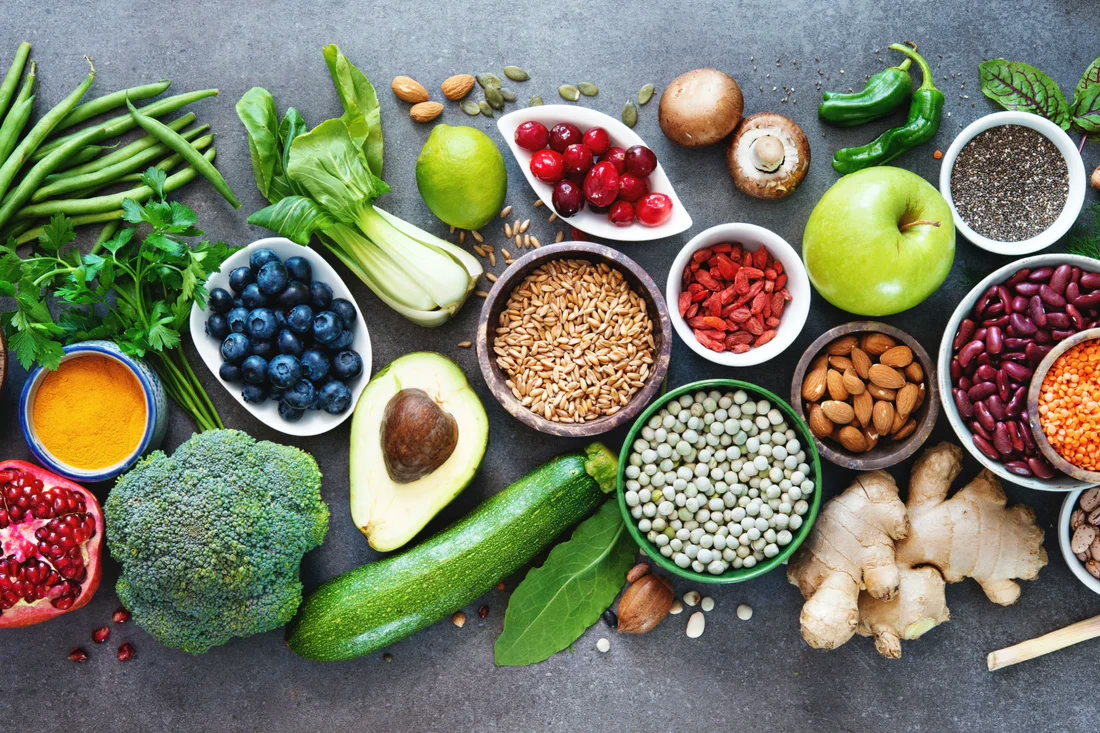
Eating the same “healthy” foods daily may limit microbial diversity. Instead, rotating fruits, vegetables, grains, and proteins exposes your gut to different fibers and nutrients, feeding a broader range of bacteria. Think colorful plates, seasonal produce, and mixing up your meals instead of sticking to a rigid diet.
2. Stress Can Damage Your Gut Faster Than Poor Diet
Diet gets all the blame, but chronic stress may be just as harmful to gut health. Stress alters gut motility, increases inflammation, and disrupts the balance of bacteria. This is why digestive issues often worsen during emotionally demanding periods.
Mindful practices such as deep breathing, walking, journaling, or short meditation sessions can positively affect gut function. A calm nervous system allows your digestive system to do its job efficiently—something many people underestimate.
3. Probiotics Aren’t Always the Magic Solution
Probiotics are often marketed as a cure-all, but doctors rarely emphasize that they don’t work the same for everyone. In some cases, probiotics may not colonize the gut at all, especially if the diet doesn’t support them.
What truly matters is feeding existing gut bacteria with prebiotics—the fibers found in foods like garlic, onions, bananas, oats, and legumes. Without proper fuel, even the best probiotic supplement may have little impact.
4. Your Gut Has a Direct Line to Your Brain
The gut is sometimes called the “second brain” because it produces neurotransmitters like serotonin and dopamine. In fact, a large percentage of serotonin—the hormone linked to happiness—is made in the gut.
An imbalanced gut may contribute to brain fog, low mood, anxiety, and poor sleep. Supporting gut health through balanced meals, hydration, and stress reduction can surprisingly improve mental clarity and emotional well-being.
5. Eating Too Clean Can Backfire
Extreme “clean eating” can unintentionally harm gut health. Cutting out entire food groups without medical need may reduce exposure to beneficial compounds that help maintain microbial balance.
For example, fermented foods like yogurt, kefir, kimchi, and sauerkraut introduce beneficial microbes, while occasional indulgences can actually support diversity when eaten mindfully. Balance—not restriction—is key.
6. Chewing Is More Important Than You Think
Digestion begins in the mouth, yet chewing is often rushed or ignored. Poorly chewed food puts extra strain on the gut, leading to bloating, gas, and discomfort.
Slowing down, chewing thoroughly, and eating without distractions allows digestive enzymes to work properly. This simple habit can significantly improve nutrient absorption and gut comfort.
7. Sleep Quality Shapes Gut Health
Sleep and gut health are deeply connected. Poor sleep disrupts the gut microbiome, while gut imbalances can interfere with sleep quality. This creates a cycle that affects energy levels, immunity, and metabolism.
Establishing a consistent sleep schedule, reducing screen time before bed, and avoiding heavy meals late at night can support both restful sleep and a healthier gut.
8. Antibiotics Leave a Long-Term Impact
Antibiotics can be lifesaving, but they don’t discriminate between harmful and beneficial bacteria. What’s rarely discussed is that gut recovery can take months, not days.
After antibiotic use, it’s essential to focus on nutrient-dense foods, prebiotics, hydration, and gentle lifestyle habits to help restore balance naturally. Rushing into aggressive supplementation may not always be helpful.
9. Hydration Affects More Than Digestion
Water supports the gut lining, helps move food through the digestive tract, and aids nutrient absorption. Mild dehydration can slow digestion and worsen constipation.
Sipping water consistently throughout the day—rather than large amounts at once—keeps digestion smooth and supports the gut environment.
10. Your Gut Changes as You Age
Gut health isn’t static. As you age, digestive enzymes decrease, bacterial diversity shifts, and sensitivity to certain foods may increase. What worked in your twenties may not work in your fifties.
Listening to your body, adjusting portion sizes, and choosing easily digestible foods can help maintain gut comfort and vitality over time.
Final Thoughts
Gut health is far more than a trend; it is the foundation of overall wellness. While doctors often focus on symptoms, the deeper secrets lie in daily habits: managing stress, sleeping well, eating a diverse diet, and supporting the gut naturally.
By understanding and applying these lesser-known insights, you can create a healthier gut—and in turn, a healthier, more energized version of yourself.